Translated from Chinese version by Gemini 3 Pro Preview.
Viewer discretion: This article doesn’t offer much nutritional value; it’s purely a rant and a critique of this company’s work.
The Mysterious Little Workshop from Hangzhou
Geekon is a company based in Hangzhou that produces a lot of monitors. While the specs are incredibly tempting, they come with a higher price tag than other “no-name” monitors and possess a seemingly very exquisite appearance. Even the style of their webpage, online store, and social media accounts is quite minimalist and high-end, looking very design-led, unlike an ordinary little workshop using generic moulds.
They also produce some very high-end models, such as HDR monitors using 6K panels, claiming a colour gamut of 92% BT.2020 and a luminance of 2000 nits. These are undoubtedly very high specs. Geekon states that they use a proprietary panel utilising domestic self-developed quantum dot technology, with various 4K, 5K, and 6K models all capable of reaching 92% BT.2020 colour gamut and an ultra-high luminance of 1000 or 2000 nits. It is worth noting that this high luminance and HDR are not achieved via local dimming technologies; the contrast ratio remains at the 1000:1 or 2000:1 level typical of IPS or IPS-Black like panels.
Driven by curiosity about this brand and the ultra-wide colour gamut, I planned to snag a unit of their 4K monitor, the “DarkVision Studio 2700” (Heijie), from their Taobao store. However, all sorts of unexpected events began with the bizarre conversation before the purchase.
When I asked customer service how the 92% BT.2020 is specifically calculated, the agent gave a curt four-character reply: “Clamped to 92”. When I asked how to issue an invoice, the reply was “How much do you want [written on it]?”. Then, “We only have stock for the 5K; the 4K is sold out and is being processed, you have to wait until November” (at this time, the product page stated: ships within 24 hours). After placing an order directly with another account, shipping was surprisingly rapid, and then they immediately delisted the product (even though it was still being sold on platforms like Xiaohongshu).
The Eighteenth-Hand Packaging Box
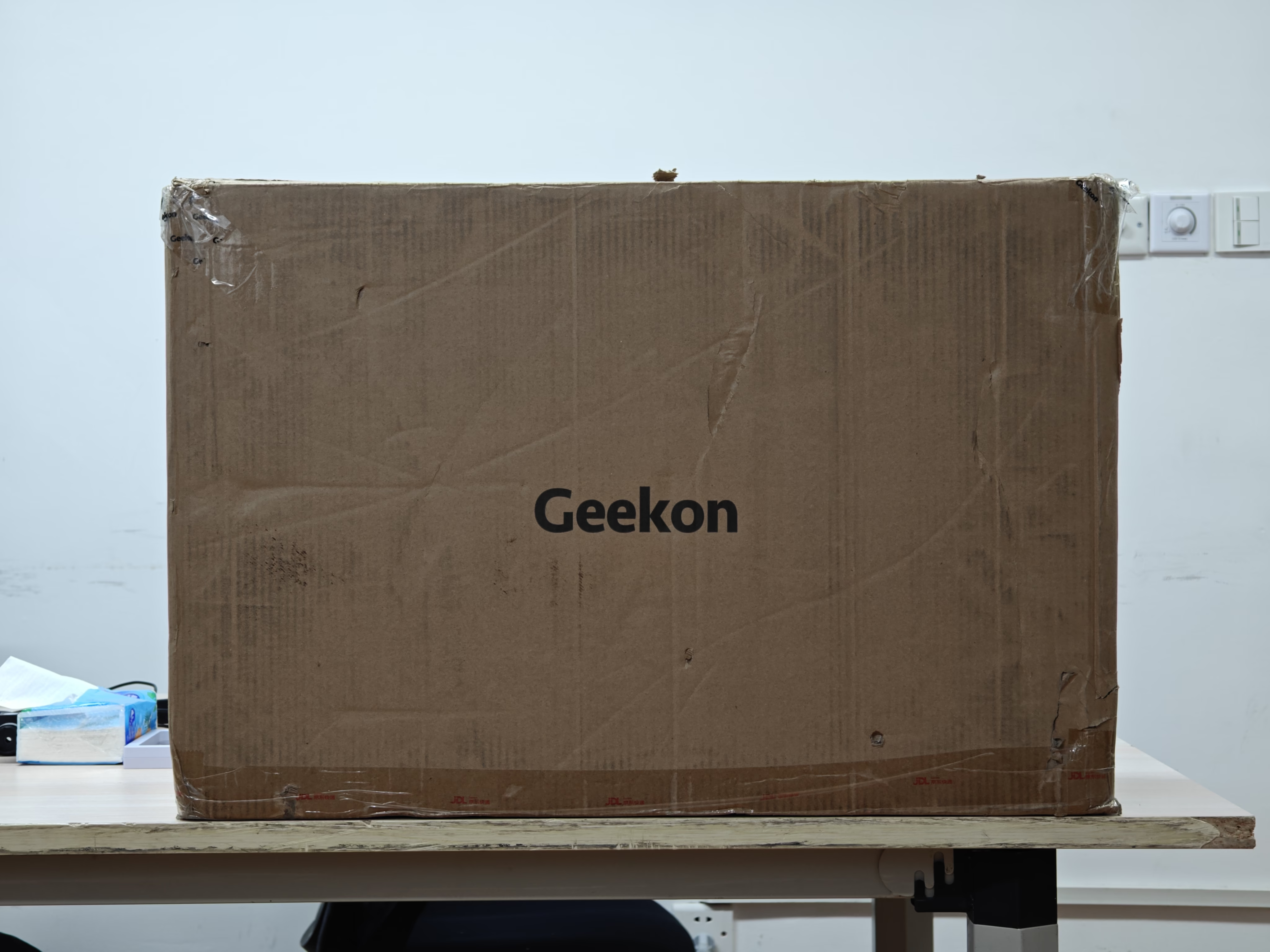
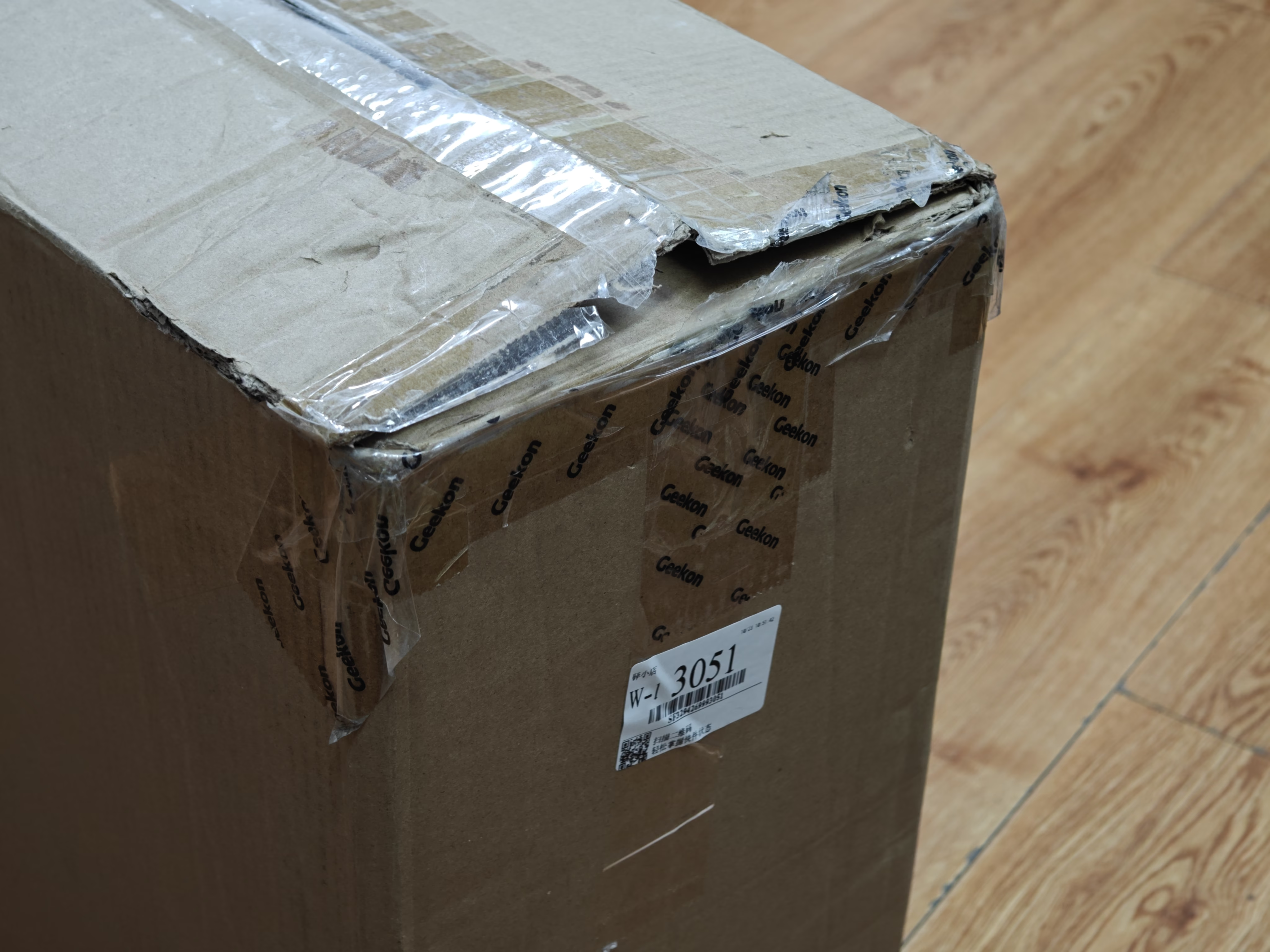
The outermost layer was a cardboard box with their minimalist Logo. Perhaps due to the impact of express shipping, the wear and filth on this packaging exceeded expectations, though at least it fulfilled its protective duty well. It was covered in all sorts of clear tape: there was brand-less ordinary clear tape, tape printed with their own Logo, JD.com tape, and SF Express tape. It was truly a gathering under one roof. Presumably, this is a cardboard box that has braved the world, travelling north and south; very eco-friendly and circular.
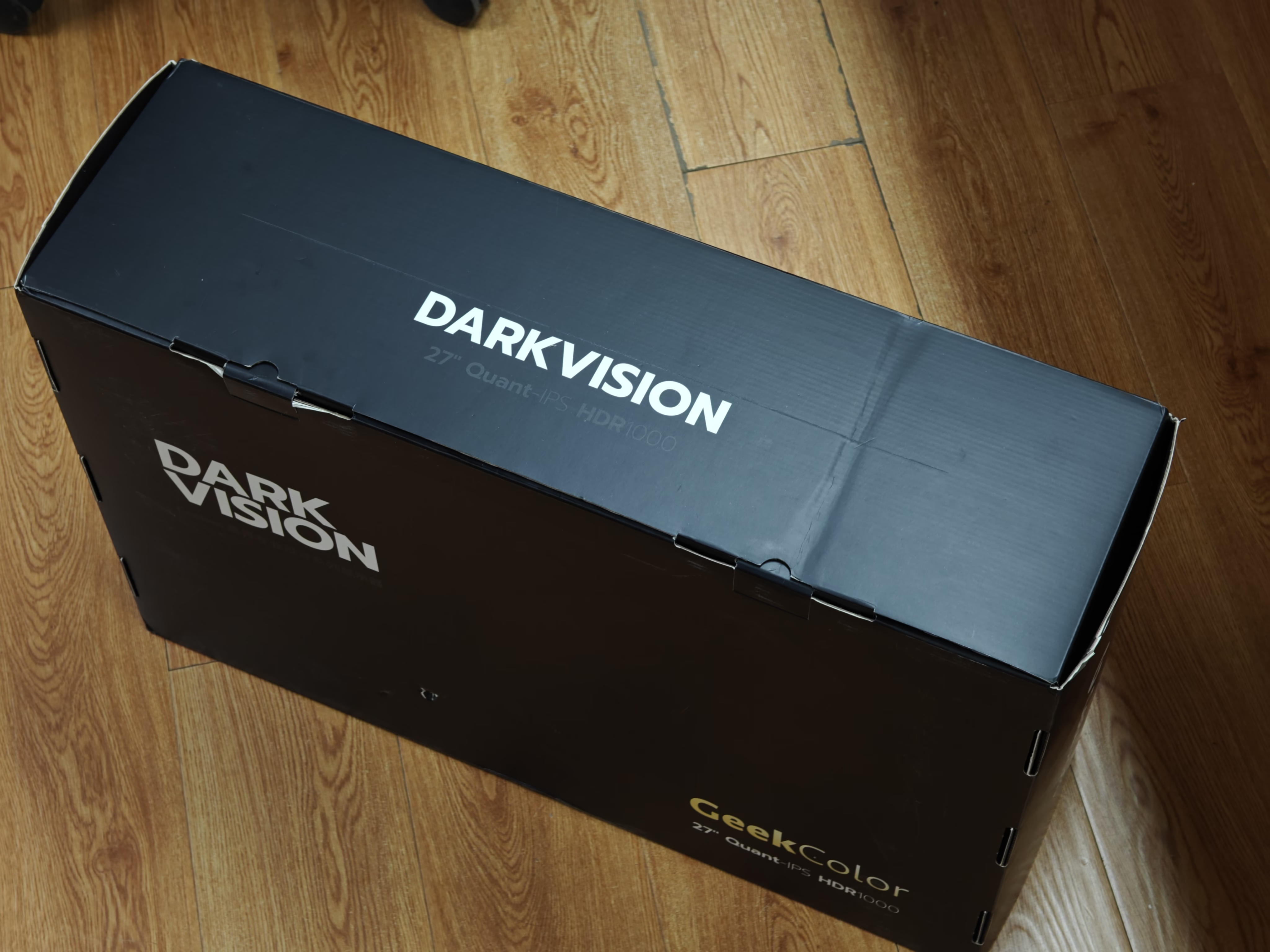
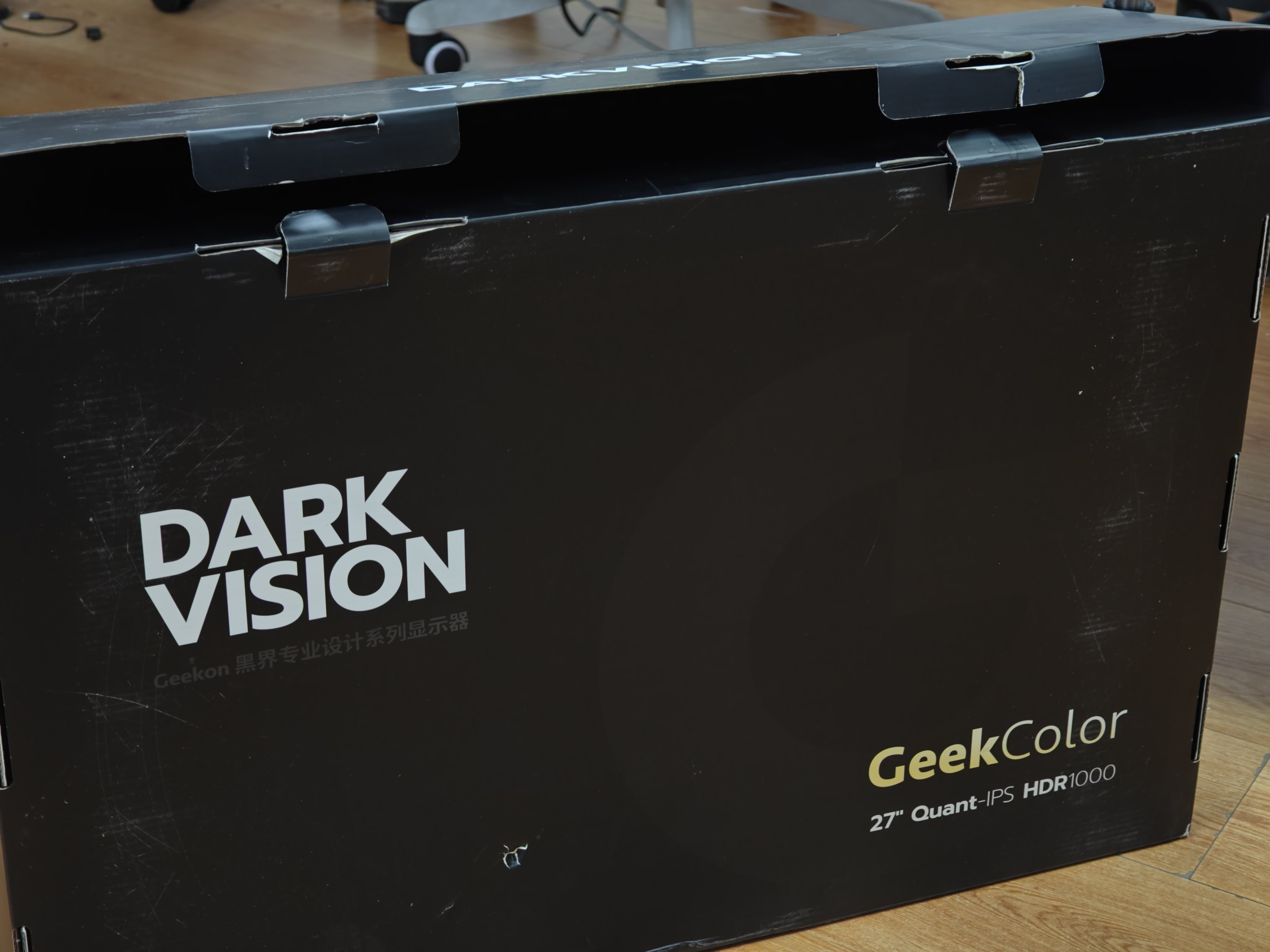
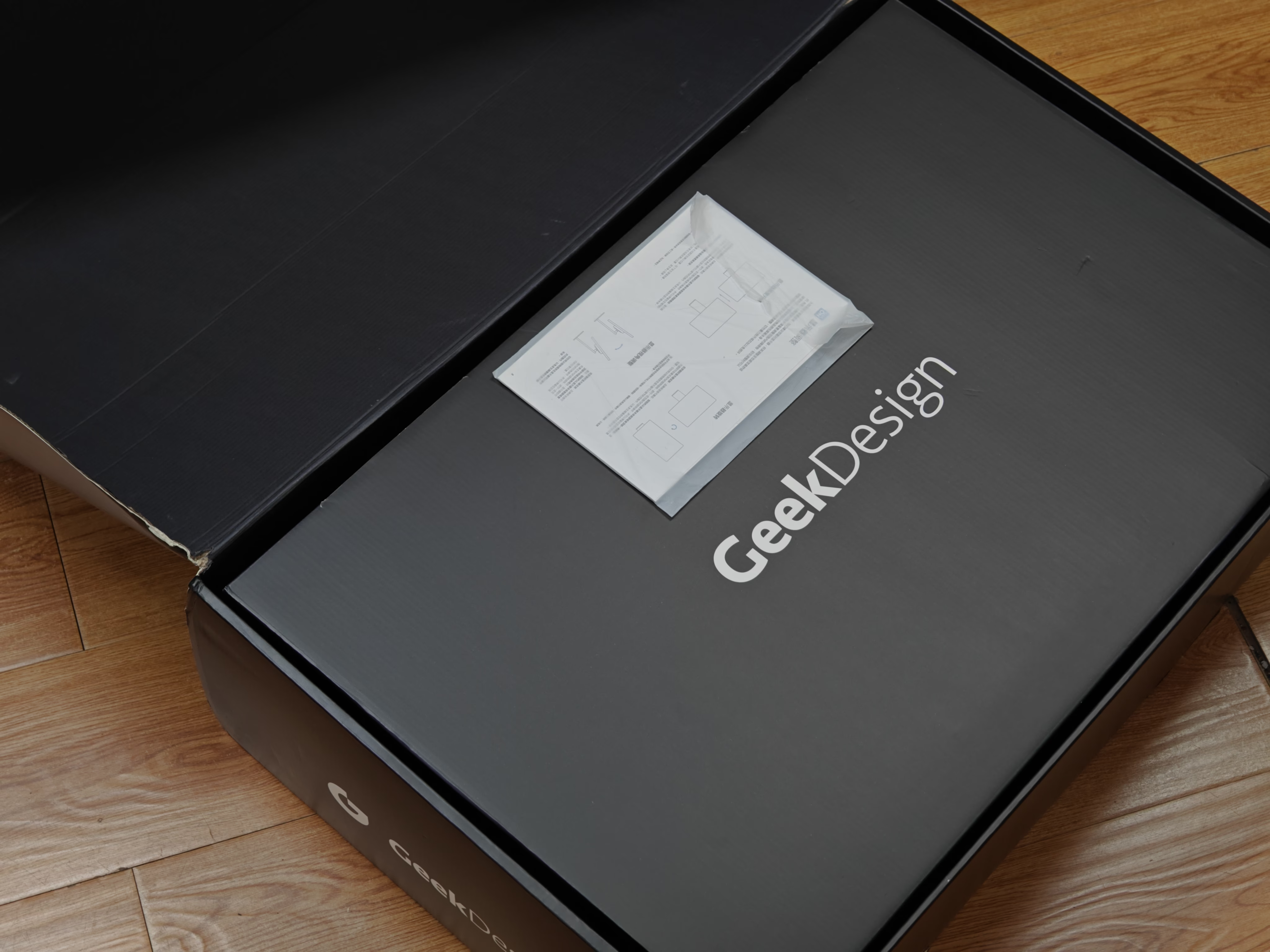
Slitting open the various overlapping layers of tape, inside was a black colour packing box, which was also quite premium. By comparison, a BenQ professional photography monitor costing over ten thousand yuan doesn’t get this treatment. It’s just that the left and right sides of this colour box didn’t seem to fit quite right; there was obvious bulging, and for some reason, there was a pressure mark and some dings on top, and even some torn parts. I assume I am not the first person to open this box. The colour box is printed with some product selling points and intorductions, such as this mysterious 27-inch self-developed quantum dot IPS panel and HDR 1000.
Opening this colour box reveals a flip-cover design. Inside is a beautifully designed manual, encased in a damaged plastic bag. Beneath that is a cardboard shell covering the screen itself (though this cardboard shell was similarly riddled with cracks). Inside the cardboard shell is foam padding, with two holes dug out to stuff two accessory boxes. The craftsmanship and printing of the accessory boxes are also quite fastidious.
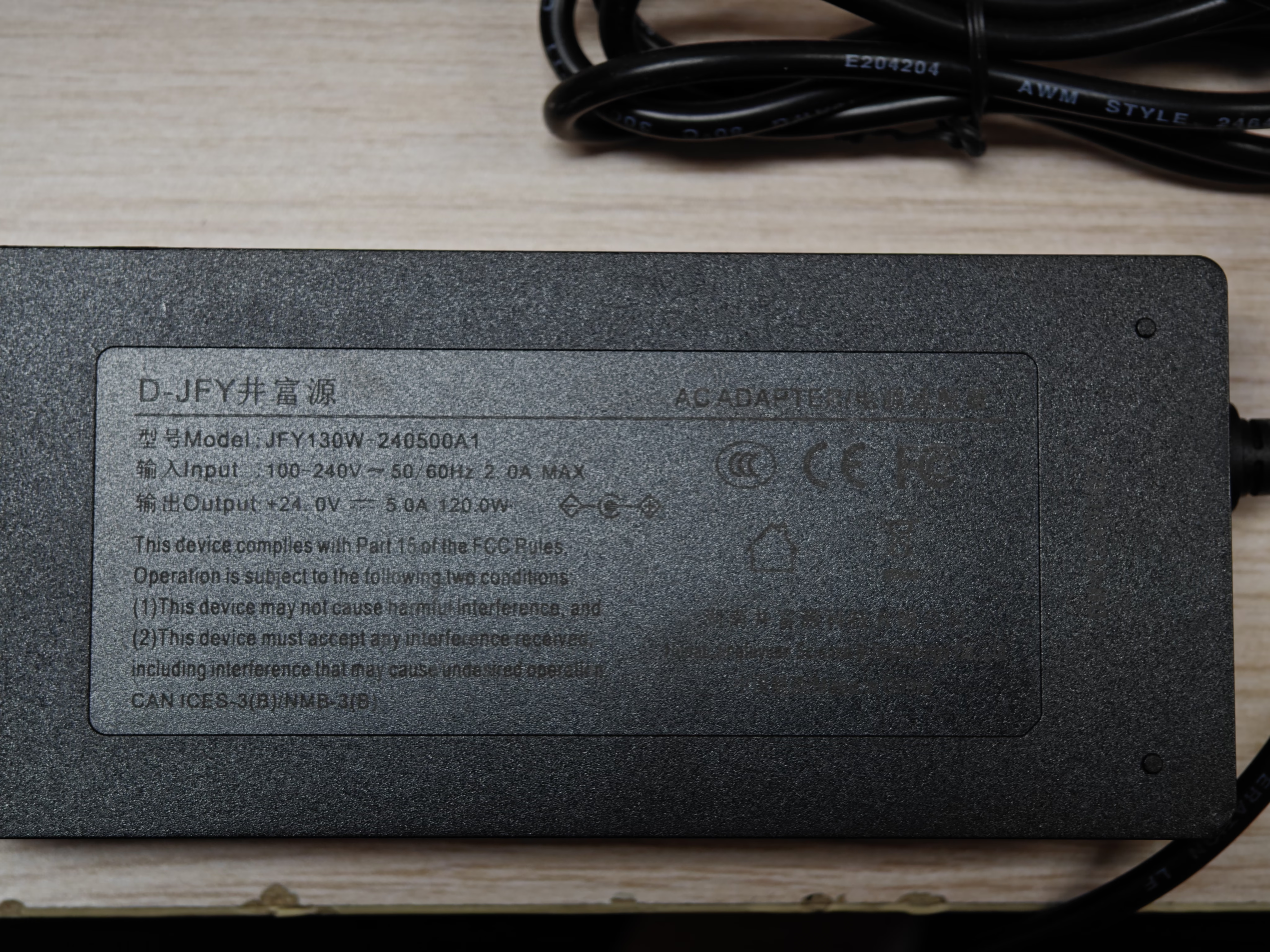
The accessories consist of an adapter and a box of cables.
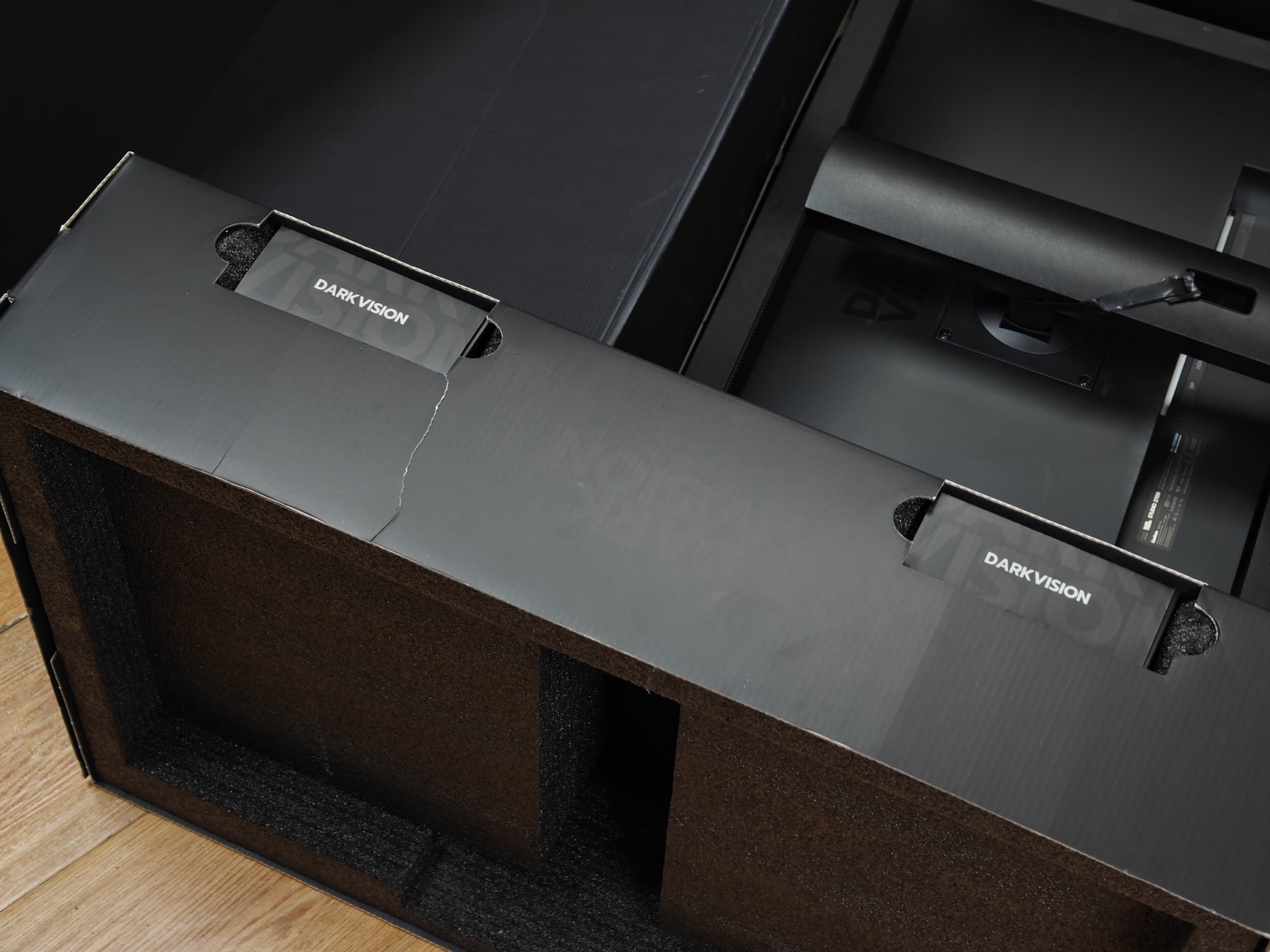
Rotten on the Inside
Before formally admiring the screen, let’s look at exactly what accessories were provided. The power adapter doesn’t carry their own brand; it comes straight from Hunan Jingfuyuan. With 65W reverse charging, it uses a 24V 5A spec. Indeed, to support a full-screen luminance of 1000 nits does require relatively high power. Buying this adapter separately would probably cost over a hundred yuan.
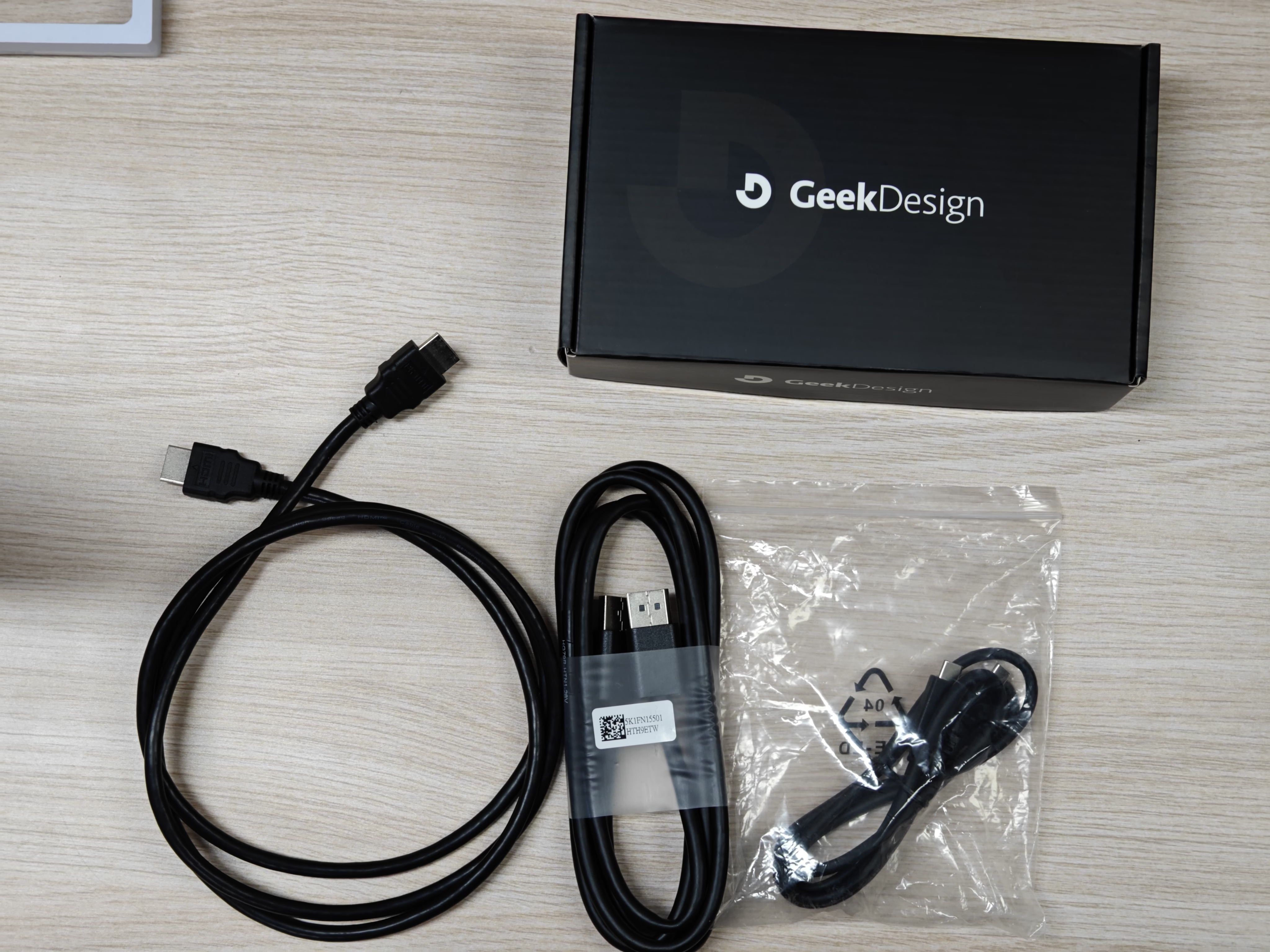
The cables were a bit abstract. They provided one HDMI, one DP, and one Type-C, but rarely seen is that the packaging method for each of the three cables was different—especially the HDMI, which looked like it was just coiled up once and thrown into the box.
Under the foam, the true face was finally revealed. The screen unit comes directly installed with the stand. I have to say, this box is really well made.
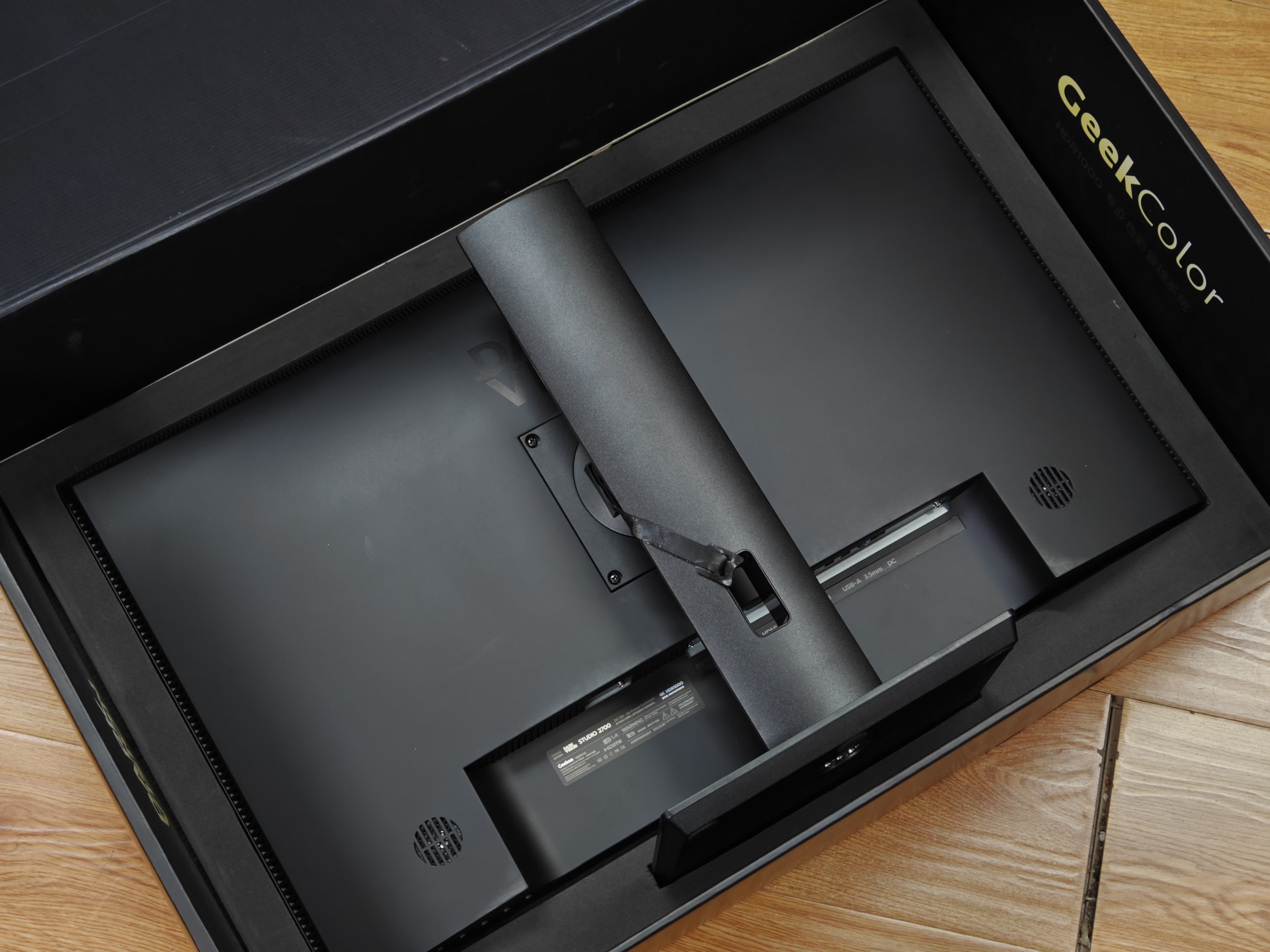
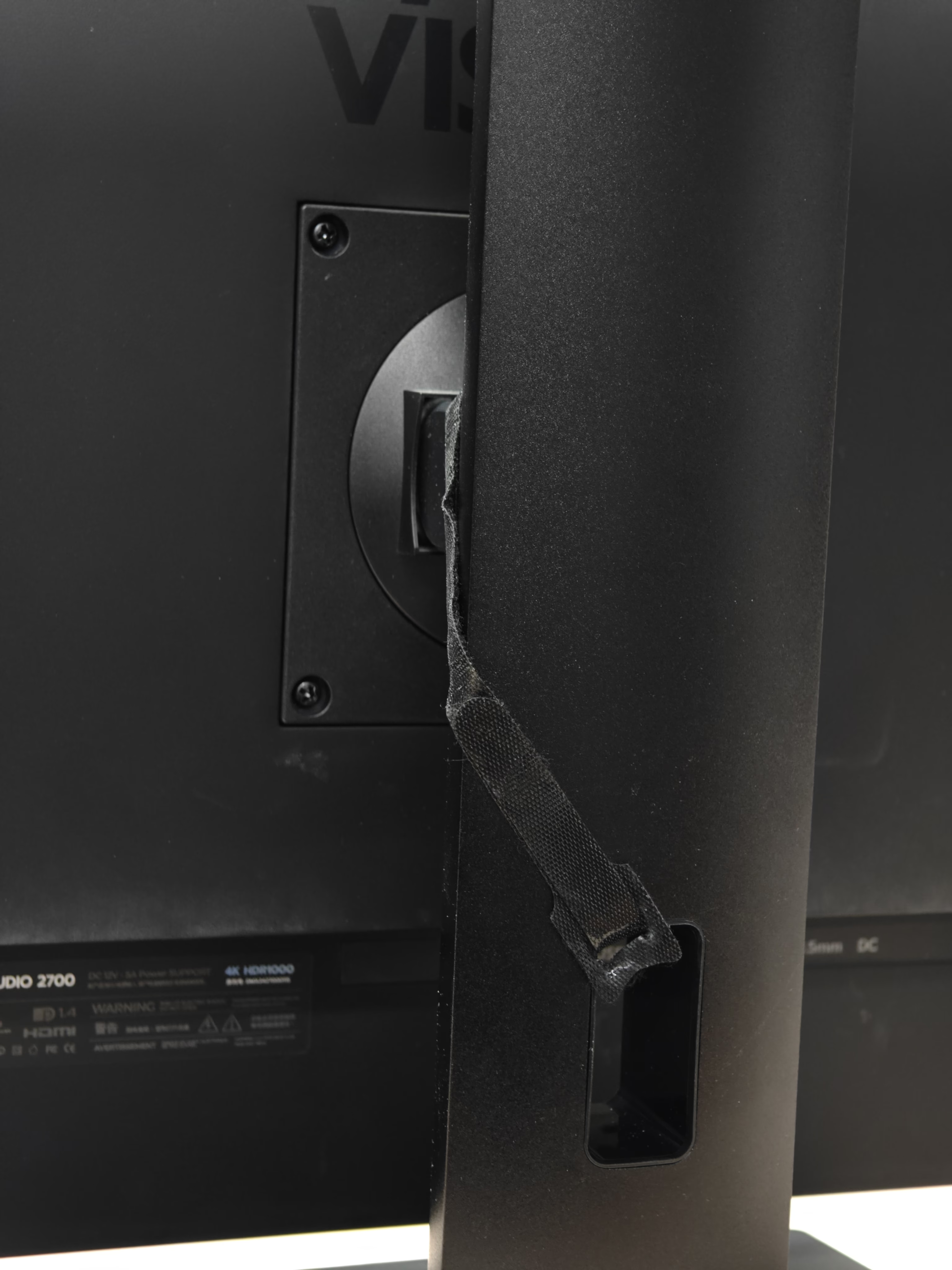
To prevent the stand from springing back, it was bound with a cable tie. This cable tie also looked battle-hardened.
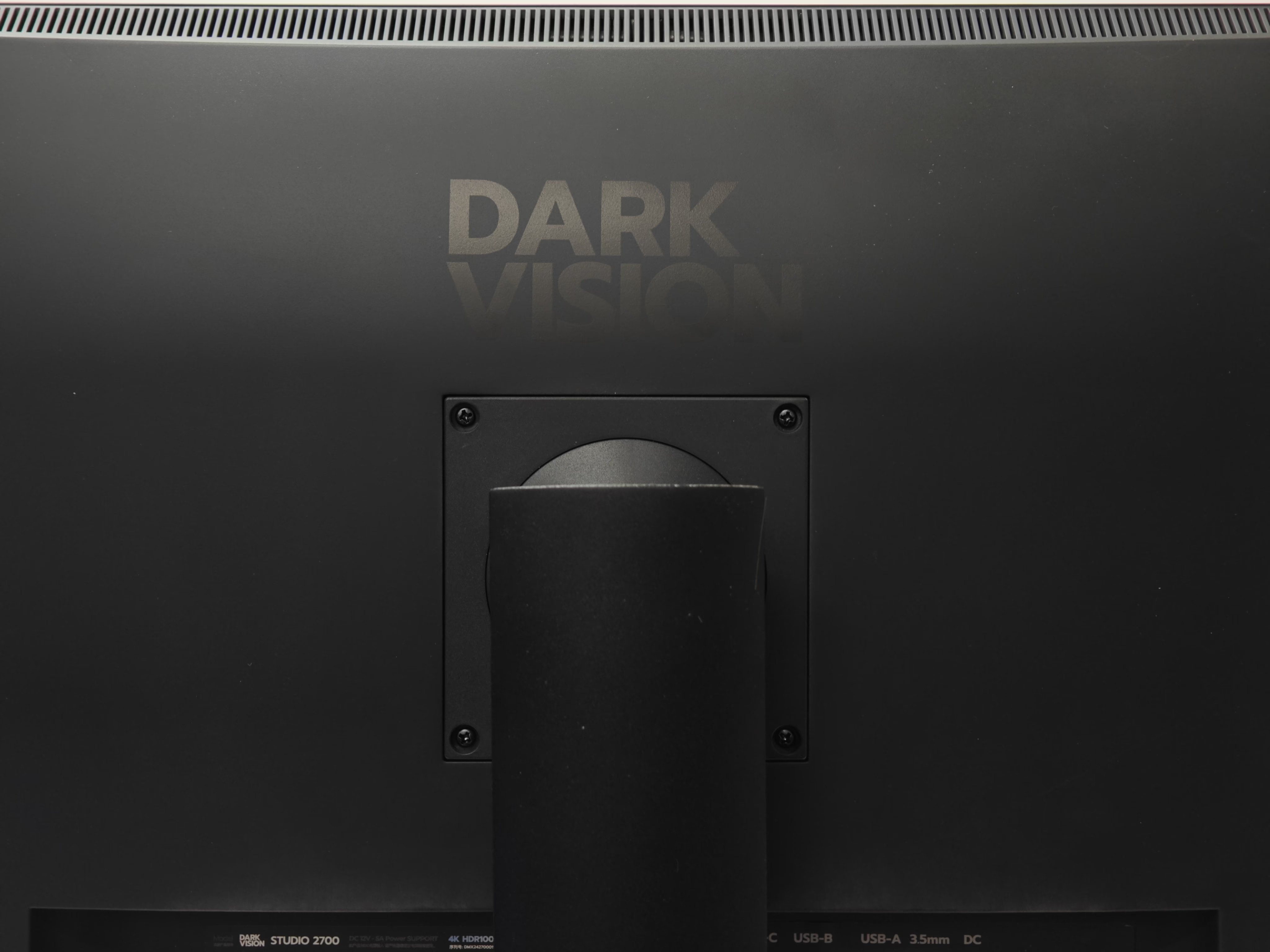
Move to the back, the words “DarkVision” (HeiJie) are at the top. The aluminium alloy stand does not use a quick-release structure but is fixed directly with four screws. However, since it comes installed in the box, it’s even one step fewer than quick-release, truly plug-and-play out of the box.
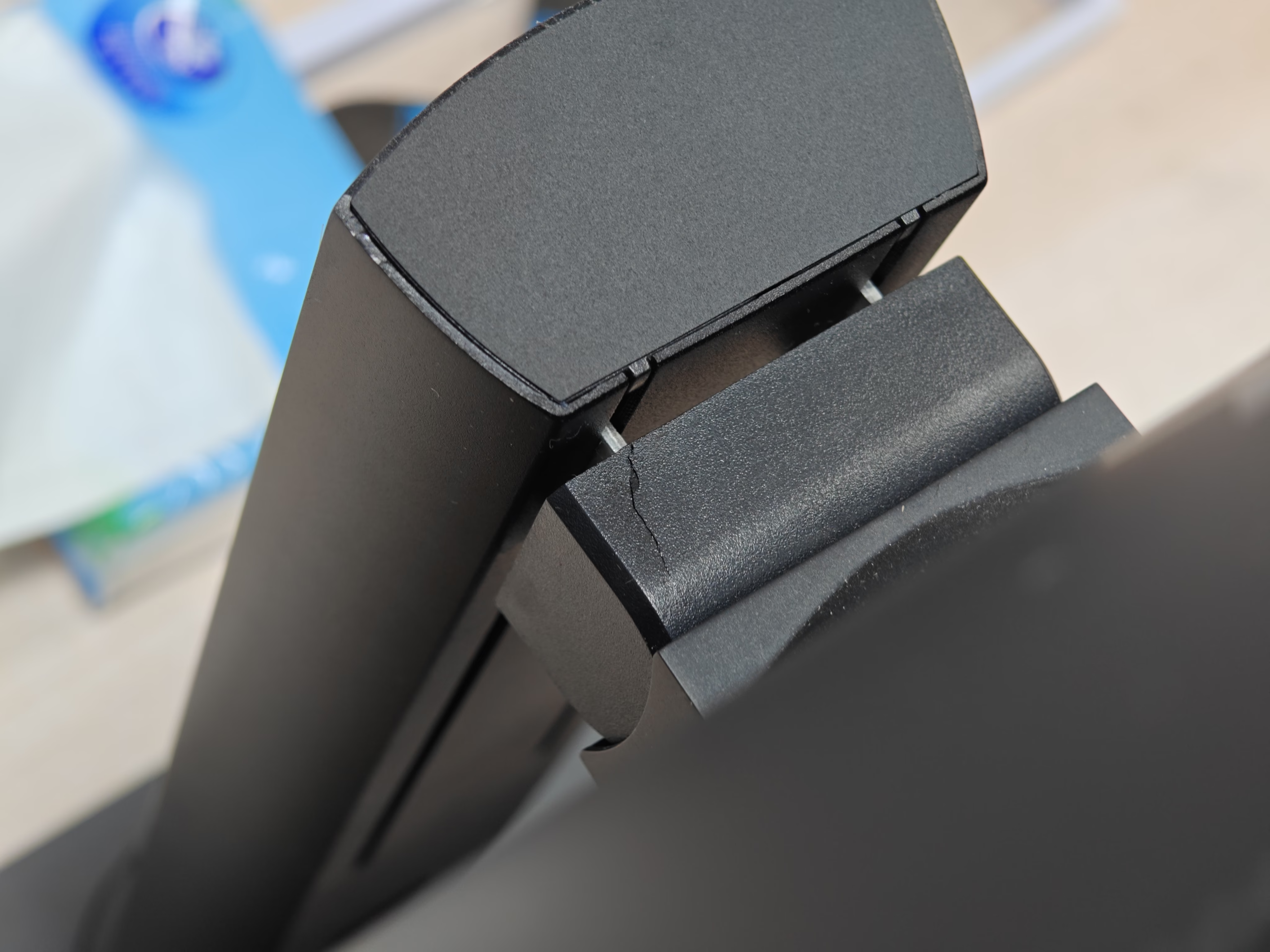
Unfortunately, the plastic wrapping on the stand had already split. The aluminium alloy and plastic parts of the stand have many burrs, and the workmanship is very rough.
Coming to the front, this black bezel is large enough to park an entire Ford-class aircraft carrier battle group. The rough-grain black plastic bezel does, however, have a bit of an Eizo flavour to it.
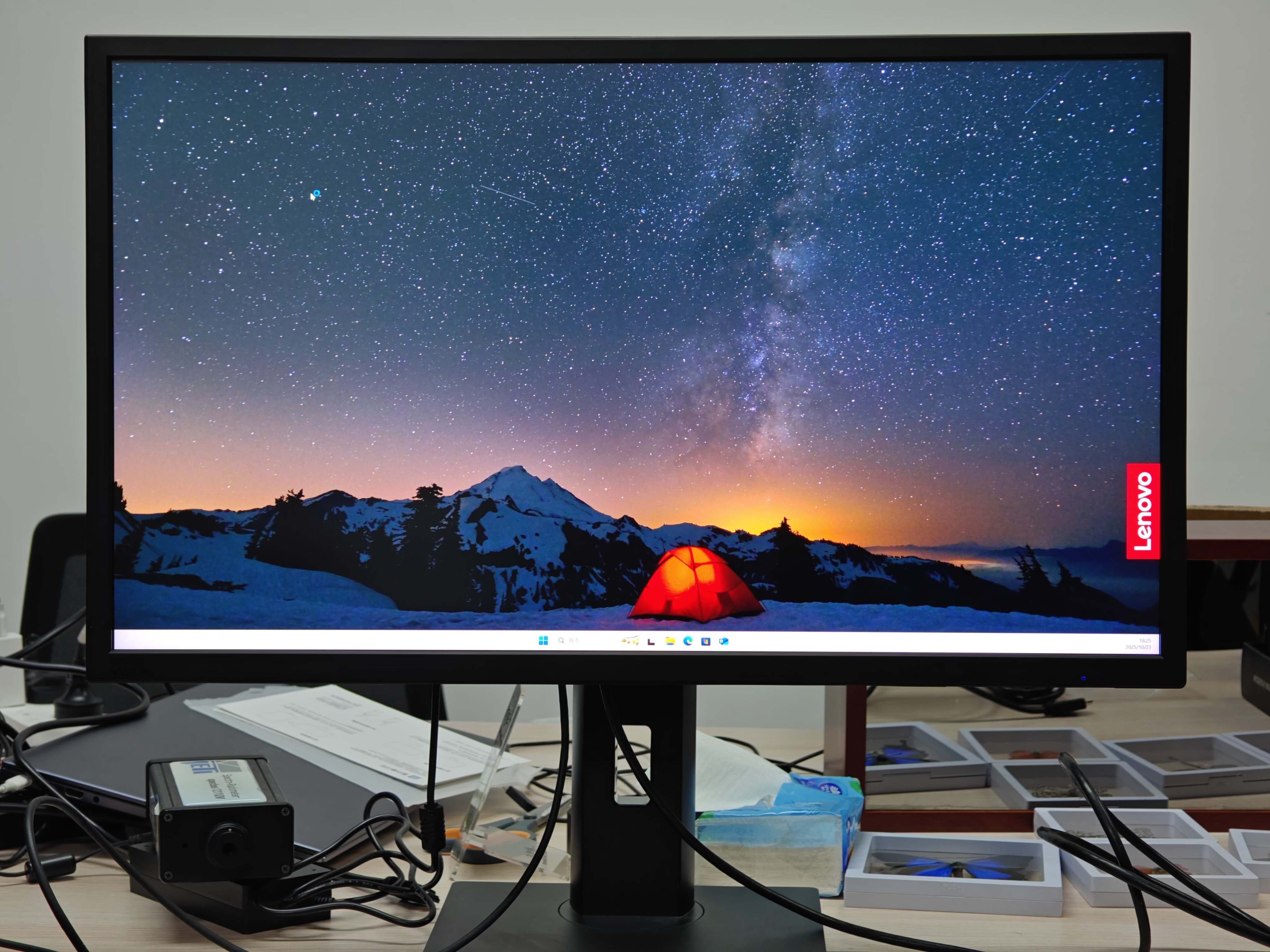
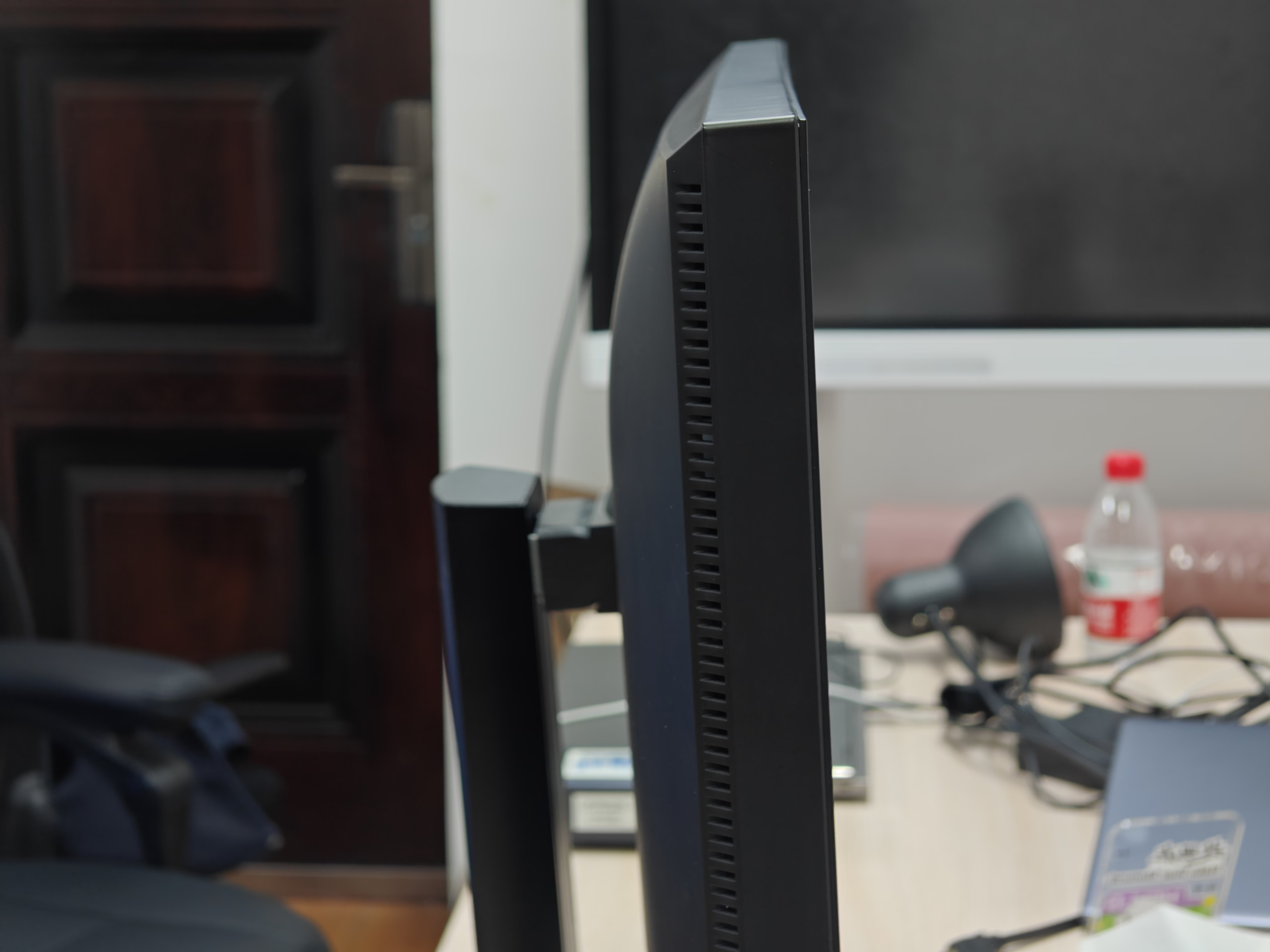
Moving to the side, it turns out to be a slightly curved screen with a subtle arc. Perhaps to fit the backlight and heat dissipation needed to support 1000 nits of luminance, the thickness of this side is enough to park the remaining Nimitz-class aircraft carrier battle groups.
To Be Continued
Having looked at the exterior, I am even more full of anticipation for its display performance. Please look forward to the next episode: “Where Art Thou, BT.2020?”. I will use this monitor as a case study, combined with some simulation calculations, to see just how demanding a metric 92% BT.2020 truly is.